


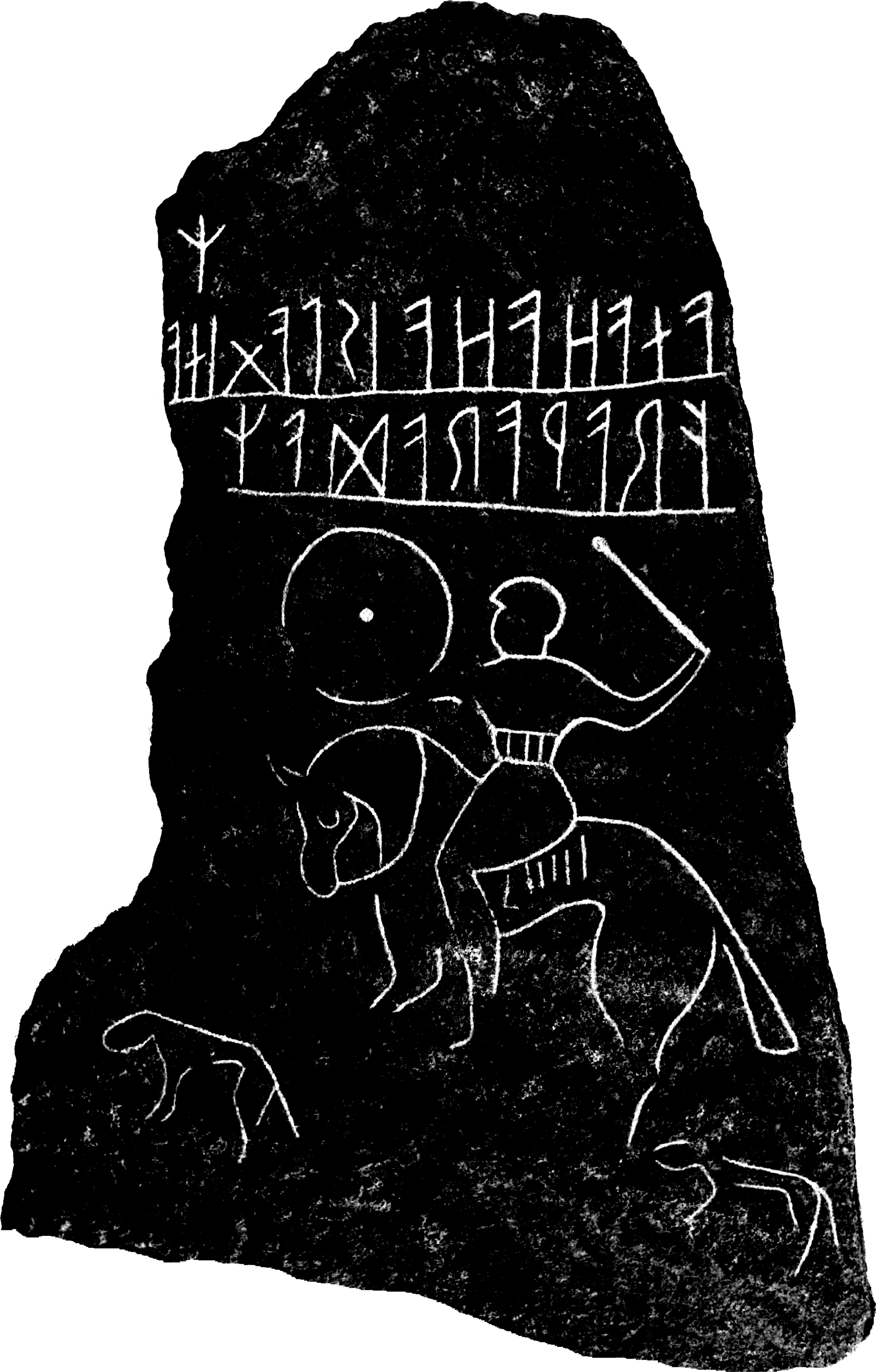
According to Dutch linguist Jan de Vries (1890-1964), the pre-Christian Germanic man was driven by a masculine heroism with which he had to defend his sense of honour, and that of the family clan, against attacks and insults. But the most distinguishable difference between modern Germanic man and his pagan Germanic ancestors must have been the way the ancestors faced death with intrepidity.
Heroic Conduct
In the epic poetry of all Germanic tribes the same attitude toward inescapable fate continually recurs. One might see in it a submission bordering on amor fati, an inclination to rush toward fate or even to anticipate it. That is a misunderstanding. The Germanic hero is not eager to part from life, whose goods he loves too well. Nor does he fear death, for death means no definitive annihilation, but a return to the forefathers.
It is equally foreign to the Germanic character that a man should meet fate lightly. This mood speaks from the Eddic Hamðismál. The emphasis lies on the necessity of undergoing fate in a manly manner. Precisely because death is not an arbitrary cruelty of fate but the fulfilment of destiny, the Germanic man can meet death with a smile. He knew that thereby he had attained the goal of his life, though a Germanic would not be tempted to engage in an irreverent playing with life.
